

Large, spread-out sites need more than one guard standing in one spot. They need movement. They need eyes that cover the whole space, not just the front gate. That’s where mobile patrol security comes in.
During mobile patrolling, trained guards move through the property at an unpredictable pace. Sometimes on foot. Sometimes in a vehicle. They check key points and respond quickly when something feels off, making it clear the site is under constant watch.
Below, we break down what these mobile patrol security guards do, why this approach works so well, and when mobile patrol security guard services are the right fit. If you’ve been looking for patrol security services that don’t leave blind spots, you’ll see why mobile patrols make all the difference.
Defining Mobile Patrol Security Guard Services
Mobile patrol security guard services deploy trained officers on the move rather than keeping them locked to one spot. They move through the site on planned routes, hit key checkpoints, and carry out quick spot inspections across buildings, parking lots, and perimeter zones.
The difference is coverage. A fixed post only sees what’s in front of it. A mobile unit covers far more ground and can mix scheduled rounds with surprise visits, which keeps things unpredictable for anyone looking to cause trouble.
Most professional teams use GPS tracking and digital reports, so every patrol is logged and time-stamped. A simple idea, but it provides you with much broader protection.
Core Duties: What Does Mobile Patrolling Involve?
Mobile patrolling is a proactive, hands-on role that requires constant observation and situational awareness, as well as independent judgment and routine movement across assigned sites. Typical duties include (but are not limited to) the following:
- Patrolling the grounds. Guards drive or walk through parking lots, loading bays, roofs, and common areas to spot anything unusual.
- Checking locks, gates, and alarms. They verify physical security points and test alarm panels. If something’s wrong, they secure the area or escalate.
- Alarm response. When an alarm triggers, mobile units are dispatched to investigate and coordinate with emergency services if needed.
- Incident response and reporting. Guards document findings with time-stamped reports and witness notes, often via tablet or mobile app.
- Visible deterrence. Marked vehicles and patrols make it clear that the site is under surveillance, which discourages trespassers.
All of this works best when the team follows clear post orders and stays connected to the Security Operations Centre (SOC) so every response is coordinated.
The Key Benefits of Patrol Security Services
Patrol security services offer a flexible, cost-effective mix of coverage that many sites can’t achieve with fixed posts alone, enhancing visibility and deterrence across multiple locations. Here’s what they bring to the table:
- Wider coverage at a lower cost.
One mobile unit can cover the same ground that might require several static guards. You get more eyes for less spend.
- Faster response across big sites.
Because mobile guards are already moving, they can reach far-off corners or sudden incidents much quicker than a guard tied to one spot.
- Flexibility and unpredictability.
Randomised routes keep bad actors guessing. When patrols don’t follow a predictable pattern, it’s harder for anyone to plan around them.
- Real-time accountability.
GPS tracking and guard-tour software show precisely where the patrol went and when. And instant reporting gives clients transparency.
For facilities with long perimeters, multiple buildings, or lots happening after hours, these benefits stack up to better protection.
Types of Mobile Patrol Services Available
Most security providers offer a mix of mobile patrol options you can tailor to your site’s size, risk profile, and operational needs, allowing clients to select the most effective coverage and response strategies. Here are the common ones:
- Alarm Response: A mobile unit is dispatched immediately to investigate the alarm, secure the area, and call for help if needed.
- Scheduled Patrols: Set, predictable rounds that keep the site consistently watched.
- Random Patrols: Unplanned visits that add unpredictability and boost deterrence.
- Lock/Unlock Services: Guards open or secure buildings during shift changes, events, or off-hours.
- After-Hours Sweeps & Fire-Watch: Night checks and temporary fire-watch coverage when systems are down or undergoing repairs.
- Wellness and Lone-Worker Checks: Regular check-ins for employees working alone or late at night.
Each option can be mixed and matched to fit your risk level and daily operations, giving you a setup that aligns with your site’s operations.
Who Needs Mobile Patrol Security Guards?
Mobile patrols shine in places where space is big, activity is spread out, or where intermittent occupancy demands flexible coverage and efficient monitoring across vast areas. You’ll see them used most often in:
- Industrial parks and warehouses
- Construction sites and plants
- Large retail complexes and strip malls
- Residential communities and gated neighbourhoods
- Schools, campuses, and after-hours facilities
- Vacant properties or seasonal sites
If you need visible coverage over distance, without the cost of placing guards at every point, mobile patrols are a practical solution.
How to Decide Between Mobile and Static Security
This isn’t a one-or-the-other decision. The best setups combine both. Static guards are ideal where you need steady access control or regular interaction with visitors, like reception desks or main gates.
Mobile patrols are perfect for covering large perimeters and checking multiple buildings, as well as responding to alarms and keeping things unpredictable.
If you’re unsure about the right mix, ask your provider for a risk assessment. That should guide how you balance fixed posts with mobile patrolling so every part of your site gets the coverage it needs.
Modern Veer Rays Security Force: Advanced Mobile Patrol Security Solutions
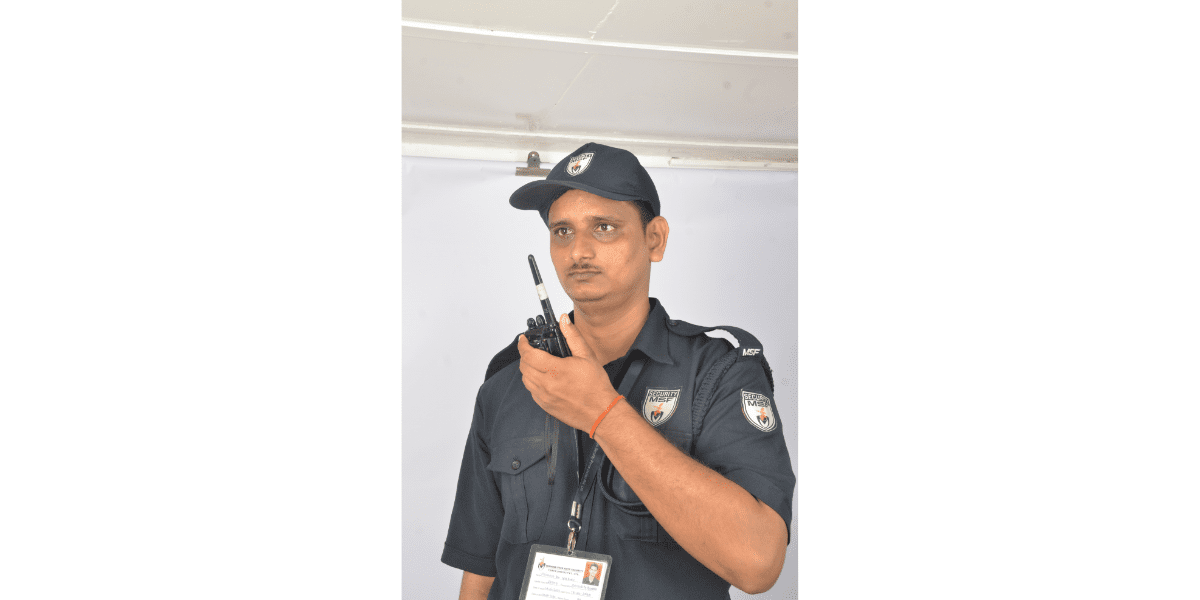
If your property doesn’t need full-time guards at every corner, mobile patrol is often the smartest choice. Modern Veer Rays Security Force’s (MSF) mobile patrol teams bring together trained people and smart tech to give you reliable coverage. Our patrol vehicles are GPS-tracked, and guards use mobile reporting tools so every checkpoint, photo, and incident is time-stamped and easy to audit.
Each patrol team stays connected to MSF’s 24/7 SOC so that any issue can be escalated quickly. When things need extra muscle, quick-response teams step in without delay.
Patrol plans aren’t generic. Modern Veer Rays Security Force tailors its approach to each site, focusing on high-risk zones, peak hours, and your operational needs. They can include alarm response, after-hours sweeps, and more.
It is that blend of training and technology that makes MSF’s mobile patrol security programme dependable and built for real-world challenges.
FAQs
1. How often should mobile patrol rounds be conducted?
It depends on your site’s risk, layout, and activity levels. High-risk zones may require several checks per hour, while quieter commercial spaces might need only a few rounds per night. A good provider will set the proper schedule after a site assessment.
2. Are MSF’s mobile patrol guards trained differently from static guards?
Yes. They receive the same core training but also learn vehicle-based patrolling, route planning, and digital reporting. They cover significant areas and make quick calls, so they need a sharper, more mobile skill set.
3. Do mobile patrols work without a fixed post on-site?
Many sites run on patrol-only coverage, especially after hours. Mobile units can secure buildings, check perimeters, respond to alarms, and run scheduled or random sweeps without a stationary guard.
4. What should I look for when choosing a mobile patrol provider?
Look for licensed and trained staff, GPS-enabled tracking, clean reporting systems, 24/7 supervision or SOC support, and a provider with real experience (such as Modern Veer Rays Security Force). A proper site assessment before quoting is a good sign.