

Let’s picture a building where the HVAC team, the cleaning crew, and the security staff all work in isolation: no shared system, no coordination, just three vendors doing their own thing. In 2026, that kind of fragmented setup starts creating more problems. A maintenance fault becomes an energy spike. Cleaning schedules clash with office operations. Security teams don’t always know when contractors are moving through the building. The gaps add up.
That’s where the benefits of IFM become clear. Businesses are slowly stepping away from the old model of juggling multiple facility vendors. Instead, they’re moving toward integrated facility management services 2026, where the building operates as a single ecosystem rather than separate departments.
Under this approach, the components of IFM work together: maintenance, housekeeping, security, utilities, and technical support. Instead of running parallel systems, everything connects through a single management structure and often a single digital platform.
For companies, the benefit is surprisingly practical. One point of accountability. Clear reporting. Fewer operational blind spots. When IFM services for businesses are structured properly, problems get spotted earlier and handled faster.
It’s less about adding more services and more about making the existing ones talk to each other. In modern workplaces, that coordination is the difference between a facility that simply functions and one that runs smoothly every day.
What is IFM in 2026?
Integrated Facility Management is the idea that a building shouldn’t rely on ten different vendors who barely talk to each other. Traditionally, companies handled everything separately. HVAC with one contractor. Electrical audits with another. Cleaning crews, pest control, landscaping, security. Each service came with its own contract, billing cycle, and point of contact.
It worked, but it was messy. Integrated facility management services 2026 simplify that structure. Instead of scattered vendors, one partner coordinates the entire environment. Maintenance, cleaning, utilities, safety checks, and other IFM components move through a single management layer.
The real benefit isn’t just fewer contracts. It’s coordination. When IFM services are structured well, teams actually share information. A plumbing repair won’t clash with scheduled maintenance. Landscaping doesn’t block an electrical inspection. Everything runs with some level of awareness.
That’s the importance of IFM in 2026. Facilities stop behaving like disconnected departments and start functioning more like one system that knows what it’s doing.
The Core Components of IFM Services
When people talk about integrated facility management services 2026, they’re usually describing three layers that work together behind the scenes. Think of them as the structure, the daily rhythm, and the control system of a building.
The first layer is what most facility managers call hard services. These are the technical systems that keep the building alive. HVAC maintenance, electrical inspections, plumbing work, fire safety checks, and structural repairs. The machinery of the place, basically. When these components are properly coordinated, these technical jobs can be scheduled together rather than disrupting operations one at a time.
Then there are the soft services. These shape the everyday experience inside the facility. Cleaning crews, landscaping, front desk support, waste management, and pantry services. They’re not mechanical systems, but they strongly affect how the workplace feels for employees and visitors.
The third layer is performance management. This is where the intelligence of the system sits. Modern IFM services rely on data from both the technical and operational sides of the building. Instead of waiting for something to break, the system starts to notice patterns and respond early.
That interaction is really the point. A cleaning team noticing unusual water usage in restrooms can flag it quickly. Maintenance teams check for plumbing issues before they become bigger problems. Small signals move between teams instead of staying isolated. That’s the real benefit of IFM.
Why Businesses are Switching: The Importance of IFM in 2026
The move toward integrated facility management isn’t happening by accident. Workplaces have become complicated enough that managing ten separate vendors just drains time and attention. That’s really where the advantages of IFM show up.
First, accountability becomes simpler. When something breaks in the old model, vendors tend to point at each other. With integrated facility management services 2026, there’s one partner responsible for the whole system. One call, one team fixing the issue.
Second, the financial side becomes easier to predict. Instead of juggling separate invoices for maintenance, cleaning, utilities, and inspections, IFM services for businesses usually come through a single structured report. Many companies prefer fixed-price arrangements because budgeting no longer feels like guesswork.
Then there’s the administrative relief. Managing multiple contracts is a full-time headache. When a single provider manages the components of IFM services, facility teams spend far less time coordinating vendors.
And that’s the real advantage. Internal teams get to focus on bigger goals – sustainability targets, space redesign, employee experience – instead of chasing maintenance updates all day.
MSF: Your Partner for Integrated Facility Management
Modern Facilities Management (MFM), part of the Modern Group, focuses entirely on delivering integrated facility management services 2026 for organisations that want their buildings to run smoothly without juggling multiple vendors.
The idea is simple. Facilities work better when every moving part is coordinated. That’s why we build our services around a full-cycle approach rather than isolated support functions.
On the soft services side, teams handle the everyday operational layer. Professional cleaning, landscaping, reception desks, pantry support, and mailroom management. The parts of a workplace that people interact with constantly.
Then there are the technical responsibilities. HVAC maintenance, electrical inspections, plumbing systems, and structural upkeep. These hard services constitute a major portion of the IFM service components because they keep the infrastructure stable and operational.
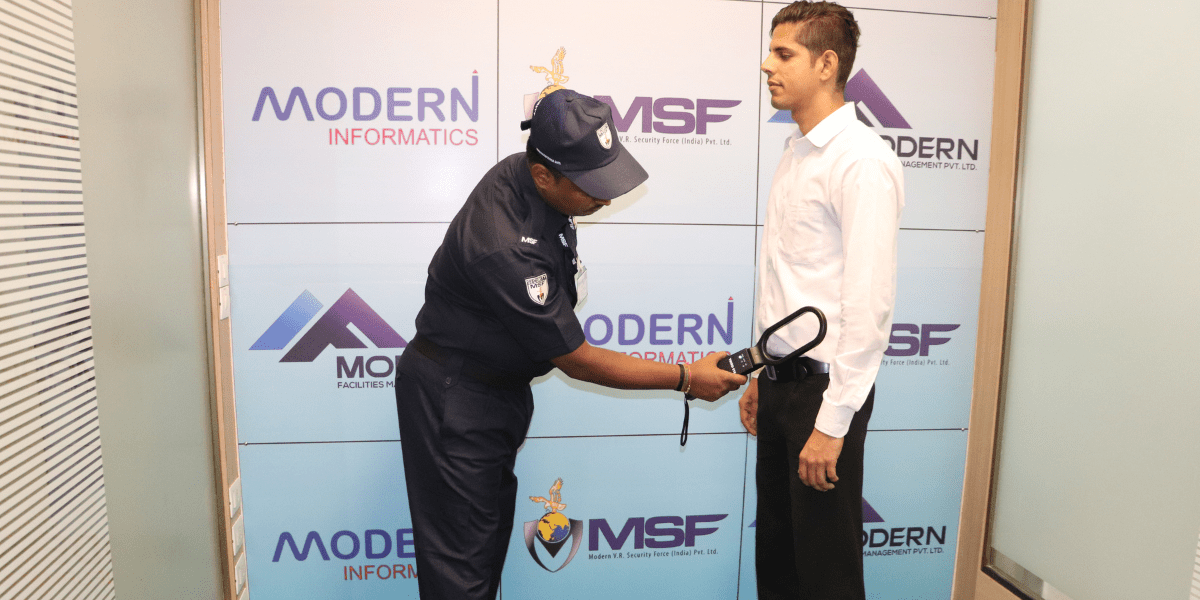
What makes the model stronger is the integration. Because MFM operates within the Modern Group, our IFM services connect directly to our security capabilities through Modern Veer Rays Security Force (MSF). Facility operations and security oversight operate within the same structure rather than running in parallel.
That’s essentially the importance of IFM. Organisations stop managing scattered vendors and start working with one accountable partner while their teams focus on core business priorities!
FAQs
What is the “coordination tax” in facility management?
It’s the quiet cost nobody plans for. When multiple vendors operate independently, small coordination gaps accumulate. One team finishes a job and leaves something for another team to fix later. Time gets wasted chasing updates. Integrated facility management services 2026 remove that friction by keeping everyone on the same operational schedule.
How does IFM improve building sustainability?
The importance of IFM in 2026 is closely tied to energy efficiency. When systems are connected, things start making more sense. HVAC schedules can be based on real occupancy data from security logs or meeting-room bookings. Empty spaces stop unnecessary power consumption, helping organisations move closer to their ESG targets.
Can IFM services for businesses really reduce administrative costs?
Yes, and usually quite noticeably. When a company moves from a scattered vendor model to IFM services, the number of contracts and invoices drops dramatically. Instead of managing a dozen relationships, the facility team manages one. That alone cuts a surprising amount of administrative workload.
What are the main components of IFM services?
It generally falls into three groups. Hard services cover the technical backbone of the building, things like HVAC, electrical systems, and plumbing. Soft services handle daily operations such as cleaning, landscaping, and pantry support. Performance management ties everything together through data and reporting, so the building runs more predictably.