

No matter how polished the stage looks or how tight the schedule is, an event really lives or dies on one thing: safety. A high-profile corporate summit and a packed public festival may look nothing alike, but they share the same problem. Get security wrong, and everything else unravels fast.
Large gatherings attract risk by default. Uninvited guests slip in. Medical situations come out of nowhere. Tempers flare. Minor issues that seem manageable on paper can spiral when there’s a crowd involved. It is exactly where event guard security stops being a checkbox.
Done right, special event security isn’t about intimidation; rather, anticipation. Knowing where pressure will build. Knowing how professional event security guards should move and act so that control is maintained without killing the mood.
Let’s look at the risks events face and how they can be prevented, including where armed security guard duties fit in and where they don’t. Because good security silently keeps everything else from falling apart.
What is Special Event Security?
Understanding what is special event security is starts with one simple truth. Events may be temporary, but the risks are very real and very concentrated. You’re bringing a lot of people to one place for a short window and expecting everything to run smoothly.
Unlike routine guarding, special event security is built around specifics, be it the venue layout, the kind of crowd expected, the timing, or how people will enter, move, gather, and leave. It factors in access zones, backstage and VIP movement, emergency response paths, and how quickly a situation could change once the gates are open.
The aim isn’t to make guests feel watched or boxed in. It’s the opposite. Good security fades into the background. People feel safe without quite knowing why. That only happens when planning is tight, and the people on the ground know what they’re doing.
That is why professional event security guards matter. Their training is what turns a high-risk setup into a safe experience, whether it’s a private corporate function or a large public gathering with thousands of moving parts.
Common Risks in Event Management
Events tend to repeat the same problems, even when the venues and crowds look entirely different. Unauthorised access is usually the first crack. Gatecrashers, fake credentials, people testing how serious the checkpoints really are. If that slips, everything else gets harder to control.
Crowd surges are another constant. They appear during entry rushes or headline performances when people move en masse. That’s when minor confusion can escalate into a safety issue. Theft and vandalism follow close behind, especially when expensive gear or unattended belongings are in play. And then there are medical situations, such as injuries or sudden exhaustion-related collapses. They never announce themselves in advance.
This is why effective event guard security starts long before the crowd arrives. The risks are known. The difference is whether they’re planned for or left to chance once things are already in motion.
Proactive Prevention: Event Security Tips for Organisers
Most event problems are predictable. That’s the part people don’t like admitting. When things go wrong, it’s usually because the groundwork was rushed, not because the risk was unknowable. Solid planning does the work long before the first guests walk in. The following event security tips can help organisers stay ahead.
It starts with really looking at the venue. Not just the main areas, but the corners people forget. It could be blind spots, like side entrances and emergency exits, that appear on a map but are blocked in real life. Those details matter more than flashy measures later.
Access control needs structure, too. Tiered credentials for staff, media, VIPs, and attendees help keep movement intentional. QR codes or RFID passes aren’t about tech for its own sake. They make it harder for the wrong people to drift where they shouldn’t.
Communication is the other piece that gets underestimated. Everyone needs to know who leads and who escalates to external support when something shifts. Security and local authorities must align before pressure hits. Because in event security, preparation is the thin line between a controlled situation and one that unravels in front of a crowd.
The Heavy Lifters: Armed Security Guard Duties at Events
Some events carry more weight than others. Higher stakes. Less room for error. That’s when armed security guard duties come in, and it’s not a decision taken lightly.
Armed personnel are there to prevent escalations from ever, well, escalating. You’ll usually see them at high-risk or high-visibility events where the consequences of a breach are severe – protecting VIPs, securing cash-handling zones, standing ready for scenarios nobody wants to imagine but everyone has to plan for. Their presence alone changes behaviour, sending a signal that the event is controlled and watched. That deterrence factor matters more than people realise.
These officers undergo intensive training in firearms handling and in making sound decisions under pressure. When they’re deployed, it’s because the event demands that level of readiness. And when done right, you barely notice them, which is exactly the point.
The Human Element: Professional Event Security Guards
Technology helps, sure. But it’s people who hold an event together when things get messy. Professional event guard security is the one dealing with the situations cameras can’t interpret, whether a heated argument or an intoxicated guest who’s crossed the line. That uneasy moment when tension starts building, and someone needs to step in early.
Judgment is what makes them effective. It’s knowing when to calm things down rather than clamp down. It’s learning how to speak to people without causing a ruckus. And the softer side of the role matters just as much, be it giving directions or helping someone who’s lost or overwhelmed. Those interactions shape how safe an event feels and not just how secure it is.
MSF: Your Partner for Integrated Event Guard Security
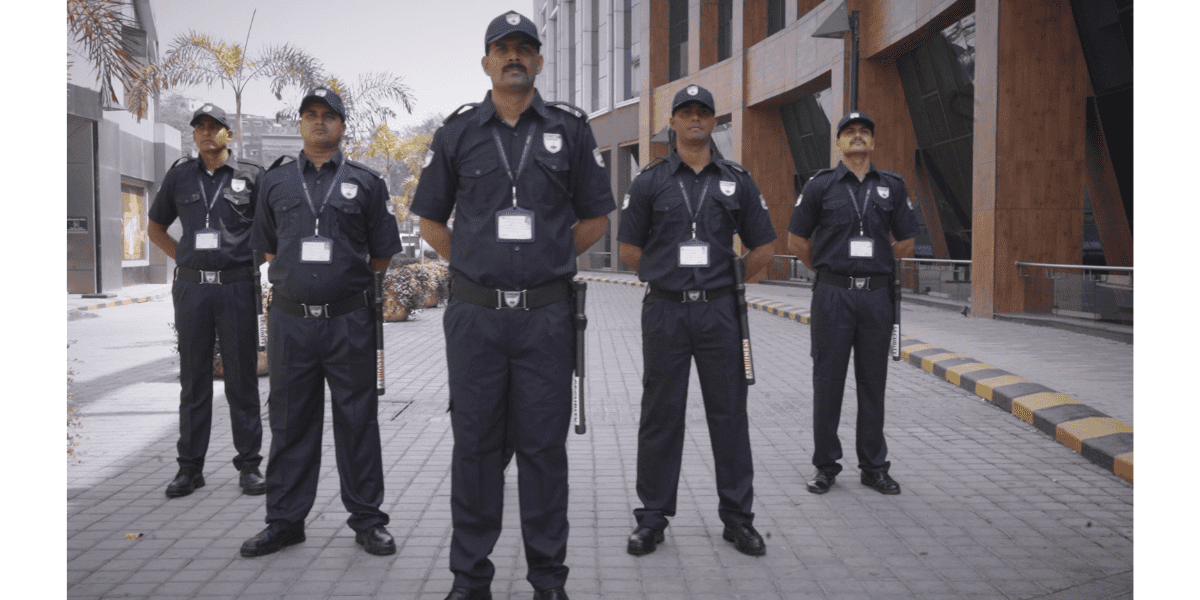
Modern Veer Rays Security Force excels when the stakes are high and the margin for error is thin. That’s really where integrated event guard security proves its value. Across India, we have built a reputation for stepping in early and not treating events like interchangeable templates.
It starts with a security survey and consulting. Before anyone is deployed, we look closely at the venue, the crowd profile, timing, and the pressure points that are easy to miss until it’s too late. As mentioned earlier, a corporate conference differs from a political gathering. A public festival has very different risks, and each setup gets its own plan.
The people on the ground matter just as much. MSF deploys trained teams that include armed officers when required, as well as expert event security guards certified through our own PSARA training institutes. They’re prepared for the specific environment they’re walking into.
What ties it all together is structure, or planning that isn’t rushed. Personnel who know their roles. And technology that supports oversight without getting in the way. The result is top-notch security where guards keep everything controlled from start to finish, while the event itself gets to do what it’s meant to do.
FAQs
1. How early should event security planning begin?
Earlier than most people expect. Four to six weeks is a good baseline for event guard security, because that’s when real planning can happen. Threat assessments, manpower decisions, authority coordination, and backup plans all take time. High-risk events need even more runway.
2. Does the size of the event determine the level of security required?
Not always. Crowd size matters, but it’s not the whole story. The guest profile, location, VIP presence, and timing usually matter more. Smaller events can still need professional event security guards if the visibility or risk is high.
3. What is the difference between event security and regular site security?
Regular site security is steady and routine. Event security is compressed and unpredictable. Understanding what is special event security means understanding crowd behaviour and the need to react instantly when conditions shift.
4. Are armed guards mandatory for all events?
No, and they shouldn’t be. Armed security guard duties are reserved for situations where the risk truly warrants them, such as political events or high-profile VIP gatherings. Most events are better served by unarmed, well-trained guards who are skilled in crowd control.
5. How do MSF’s event security guards coordinate with emergency services?
We don’t improvise. Modern Veer Rays Security Force’s event security guards work off predefined escalation plans, staying in direct contact with medical teams, fire services, and police. That structure we follow as per the best event security tips keeps responses fast and prevents panic when something unexpected happens.