

Running an event is a bit like spinning three places at once. You’re thinking about logistics, guest experience, and safety, all happening at the same time. And the thing that keeps everything steady is smart event security services.
The risks are real. Crowds bunching up in the wrong place. Someone slipping in without permission. Pickpockets trying their luck. Even ticket scams that cause confusion at the gate.
We’ll walk you through practical ways to keep people safe and your event running on time. It’s all about prevention and clear roles. Not just adding more guards, but building a plan that works.
1. Start with a Comprehensive Risk Assessment
Good security work begins well before the first guest walks in. You start by studying the space. Walk the venue. Look at every entry and exit. Notice the blind spots, the stage angles, loading bays, and the emergency routes that need to stay clear.
Then think about the pockets that naturally attract risk. Food courts where crowds slow down. Cash collection points. VIP zones that need tighter control. Each one has its own rhythm and its own challenges.
You also factor in the size of the crowd, who’s attending, and what the event includes. Pyro effects, big performers, busy vendor stalls, all of these shape how people move and behave.
When you put it all together, you get a clear risk register and a plan that shows exactly where to place people, tech, and attention. It’s the foundation that makes everything else run smoothly.
2. Choose the Right Physical Security Company for Events
Not every security firm is cut out for events. The energy is different. The pace is faster. The risks change by the minute. So if you want a physical security company for events that has actually done this before and can prove it.
Look for a team that brings trained crowd managers, clear event SOPs, and real examples of past deployments. You want people who know how to read a crowd and keep things moving without creating stress.
A good partner doesn’t just send manpower. They help you plan. They scale the team up or down based on the size of your event. They blend in with venue staff. They stay in sync with local emergency services so everyone is on the same wavelength.
When the right company is in your corner, the whole event feels steadier.
3. Implement Strict Access Control Measures
Access control is really the backbone of a safe event. When you get this part right, everything else becomes easier. Start by dividing the venue into clear zones. Public areas. Staff zones. VIP spaces. Backstage. Each zone should have its own level of clearance so people only go where they’re supposed to.
Use layers instead of relying on a single check—ticket validation at the gate. RFID or QR passes for staff and vendors. Bag checks at the choke points where crowds naturally slow down. These small steps add up to a big difference.
For high-profile events, you can take it a notch higher with biometric checks or a dedicated VIP lane. Add roaming staff who can quickly verify passes on the move.
When access is tightly controlled and organised, you cut down on fraud, reduce confusion, and keep unauthorised people out of sensitive areas. The top providers of event security services work to keep your event safer and a lot more predictable.
4. Mastering Crowd Management and Flow
Crowd movement is a bit like choreography. When planned well, everything looks effortless. When not, you feel the chaos instantly. The trick is to guide people without making them feel controlled.
Industry-leading providers that promise physical security services start with the basics. Use barriers to shape natural pathways. Stagger entry times so everyone doesn’t rush in at once. Put up clear signs so guests don’t have to stop and guess where to go. And place trained ushers in the right spots to keep them moving with a friendly nudge.
Good staff also understand crowd psychology. They know how people react when there’s a delay, or when a loud sound startles them, or when a route suddenly changes. They speak clearly and keep exits free in case something unexpected happens.
The objective isn’t to drain the energy out of the event. It is to let the excitement flow without tipping into confusion. Safety should feel natural, not forced. That’s what good crowd management delivers!
5. Prepare for Crisis with Emergency Response Protocols
Every solid event plan needs a “what if” section. What if someone gets hurt? What if a fire starts? What if the weather turns bad? You hope none of it happens, but you still prepare.
Map out evacuation routes and muster points, not to mention a simpler communication chain. Run tabletop drills, and when you can, rehearse an evacuation with venue staff and local authorities. Brief medical teams and fire services so they’re not walking in blind. And keep backup power ready for comms and cameras.
When trouble hits, practised teams move fast, guiding people to safety. And that preparation can make all the difference.
6. Surveillance, Monitoring, and Tech Integration
Today’s events rely on more than just eyes on the ground. CCTV, drones, and real-time dashboards are now part of the toolkit. The smartest approach is to pull everything into one monitoring hub so operators can watch the big picture and spot odd behaviour.
Machine learning can help, too. It can flag crowding, detect unusual movement, or notice an unattended bag before anyone else does. But tech isn’t perfect, so human judgment still matters. Operators should always double-check alerts before taking action.
And make sure your recording, storage, and access rules follow privacy requirements. Good tech makes events safer, but it has to be used responsibly.
7. Role of Security Personnel: Visible and Trained
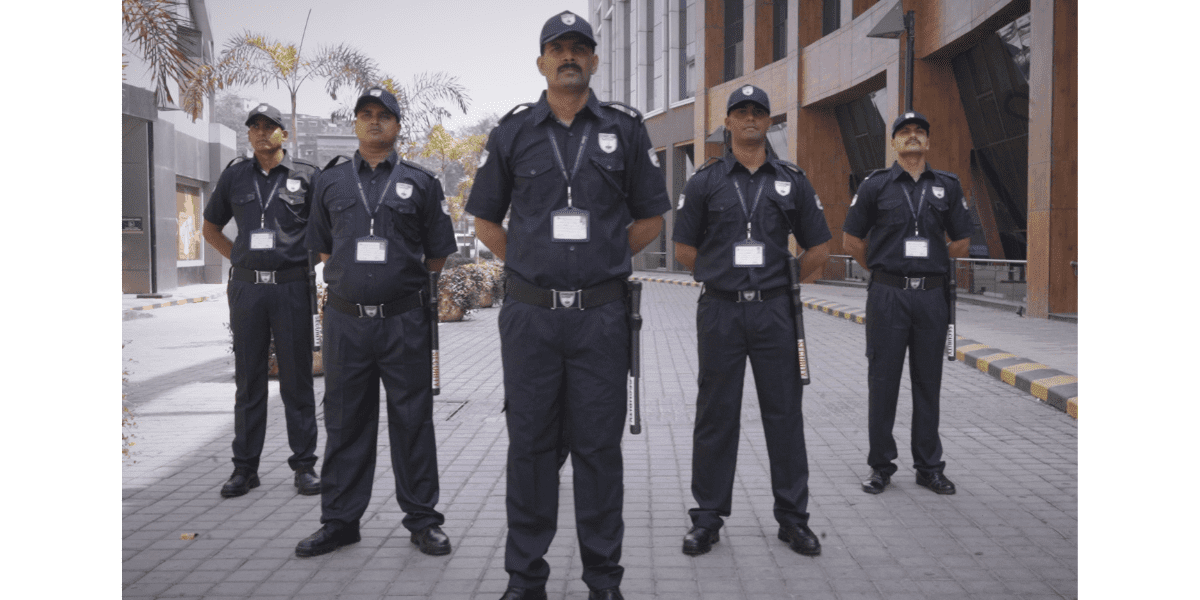
Your security team is the face of your safety plan. Guards and stewards aren’t just bodies at checkpoints. They’re trained in access control, crowd flow, first aid, and calming tense situations before they blow up.
They should be easy to spot but still approachable. Guests should feel they can walk up and ask for help without hesitation.
Give the team clear post orders and simple radio protocols. When guards know what to do and who to call, they act with confidence.
8. Coordinate with Local Authorities and Venue Staff
A strong event plan doesn’t work in isolation, but also has to connect with the people who’ll back you up when things get serious.
Loop in the police, EMS, and the venue staff early. Share the layout and the emergency plan before the event day. For bigger events, providers of event security services usually set up a joint command post, keeping field teams and authorities working from one clear playbook.
9. Post-Event Review and Continuous Improvement
Once the crowd goes home and the lights are off, take a moment to look back. What worked smoothly? Where did things slow down? Note every incident, near-miss, and equipment hiccup while it’s still fresh.
This quick review helps you tighten SOPs and update training. Each event teaches us something new. Continuous improvement doesn’t solely reduce risk next time; it also builds long-term confidence in your system.
MSF: Your Partner for Event Security Services
Great events are safe events. And as mentioned earlier, the right partner can take a lot of weight off your shoulders. Modern Veer Rays Security Force’s (MSF) event security services bring together solid risk assessment, smart crowd management, and tight access control so your event is safe from the start.
Among the top physical security company for events, we provide trained personnel who know how to handle the pace of live events, along with planning that covers the small details most people miss. We also work closely with local authorities to keep everyone aligned.
Above all, MSF’s security survey and consulting solutions help spot vulnerabilities early and choose the right manpower and technology.
Whether it’s a corporate gathering or a large public event, Modern Veer Rays Security Force provides a turnkey setup that keeps guests comfortable and keeps your event on track!
FAQs
1. How many guards do I actually need?
It depends on the venue, crowd size, event type, and risk level. A proper site survey and crowd model from a provider of physical security services will give you an accurate number. Start with a basic ratio, then adjust for entry points and high-risk areas.
2. What permits or licenses should I check before an event?
Usually, you’ll need police permissions, a fire NOC, a public gathering licence, and alcohol or entertainment permits if applicable. A good security partner will help you prepare the full checklist.
3. Will event security services handle vendor and backstage access?
Yes. Modern Veer Rays Security Force’s professional teams manage credentialed access for vendors, performers, and production crews, with clear loading and unloading rules.
4. What certifications and compliance does MSF maintain?
We follow PSARA guidelines, run a government-certified training institute, and operate a 24/7 SOC, along with standard industry practices for audits and background checks.
5. Does MSF offer custom security plans for different event types?
Yes. Modern Veer Rays Security Force builds tailored plans for corporate events, concerts, sports, and festivals after a detailed site survey and risk assessment. However, larger or high-risk events should be booked 6-12 weeks ahead so there’s time for surveys, permits, and coordination.