

India’s physical security market is projected to reach USD 14.4 billion by 2030, growing at an annual rate of around 10.5%.
That number reflects something real: organisations across the country are recognising that managing security in-house is more expensive and more difficult than it used to be. Threats have gotten more complex, and compliance requirements have increased. Plus, the operational overhead of running an internal security function properly is significant.
Outsourcing to top-rated physical security services in India isn’t a cost-cutting move. Done right, it’s a better setup than most organisations can build internally. Here’s what you actually get when you partner with a credible provider.
Better Protection for Assets and People
This is the obvious starting point, but it’s worth being specific about what it actually means. Trained guards, properly configured surveillance, and access control that’s designed around your site. Together, these prevent theft, unauthorised entry, and vandalism in ways that informal arrangements don’t. Internal threats are part of this, too, not just external ones.
For employees and visitors, a professionally managed security presence changes the feel of a facility. People notice when access is controlled properly and when guards are engaged rather than passive. It’s not just about stopping incidents. It’s about the environment that visible, professional security creates day to day.
Deterrence that Works Before Anything Happens
A well-deployed security presence reduces criminal activity before incidents occur. This is one of the harder things to measure, but anyone who has managed facilities with and without professional security will tell you the difference is real. Visible guards, functioning CCTV, and controlled access points tell anyone considering unauthorised behaviour that the site is under surveillance.
The best physical security company in India understands that deterrence is most of the job. Response matters, but prevention is cheaper and less disruptive than dealing with an incident after the fact.
Response Speed When Something Does Go Wrong
When an incident does happen, be it an intrusion, a fire, or a medical emergency, response time matters. Professional security teams on-site react faster than external authorities can in most cases. They’re already there, they know the layout, and if they’ve been trained properly, they know exactly what to do in the first few minutes before anyone else arrives.
This is where the quality of training becomes visible. A guard who freezes or doesn’t have a protocol to follow is not an asset in a crisis. Top-rated physical security services in India invest in emergency response training precisely because that’s when the deployment earns its keep.
Expertise and Technology that Most Organisations Can’t Build Internally
Running a proper security operation requires more than hiring guards.
ML-assisted surveillance, ANPR cameras at vehicle entry points, intrusion detection systems, centralised monitoring through a 24/7 Security Operation Centre — such infrastructure is expensive to procure and technically complex to manage. Most organisations don’t have the in-house expertise to do it well.
Private security services India relies on for serious deployments bring that infrastructure as part of the service. The technology is already built and operational. The people managing it are already trained. You’re not starting from scratch.
Site-Specific Planning, Not Generic Packages
The security requirements of an IT campus in Bengaluru are completely different from those of a pharmaceutical warehouse in Navi Mumbai or a residential complex in Gurgaon. Visitor volumes, access points, asset types, shift patterns, regulatory requirements, all of it differs.
Top-rated physical security services in India start with a site assessment. The deployment that results from that assessment should reflect what your facility actually needs. If a provider is quoting you before they’ve assessed the site, the quote is probably based on their standard package rather than your actual requirements. That’s where gaps show up later.
Regulatory Compliance Handled As Part of the Service
Security operations in India are governed by a significant regulatory framework: PSARA requirements, state labour laws, fire safety standards, and industrial security norms. Of course, staying compliant across all of these takes ongoing attention. Private security services India, at the professional end, handle this as part of their core operations, not as an add-on.
When you work with a non-compliant or informal vendor, any liability created by their gaps can transfer to you. It’s one of those risks that feels abstract until it isn’t. A compliant, licensed agency keeps that liability where it belongs.
The Real Cost Comparison
Building an in-house security team looks cheaper on a spreadsheet until you account for everything. Recruitment, PSARA-compliant training, uniforms, technology procurement, managing shift coverage and absenteeism, supervisory oversight; the actual cost of running an internal team properly is higher than most organisations expect.
Outsourcing to the best physical security company in India gives you a predictable cost structure and transfers the operational burden to a provider whose entire business is managing it. For most orgs, that comparison is straightforward once the full picture is visible. Most people underestimate the hidden costs until they’ve run an internal operation for a year or two.
Round-the-Clock Coverage Without the Staffing Headaches
Shift-based deployment across nights, weekends, and public holidays is operationally complex. Absenteeism during festivals and peak leave periods creates coverage gaps that require reserve staffing. Managing this internally is time-consuming and frequently imperfect.
Professional providers manage this as standard. Their command centres track deployment in real time and deploy reserve staff when coverage gaps appear. The result is that your premises remain consistently monitored, without your team having to manage the logistics.
Professional Presentation at the Front of Your Facility
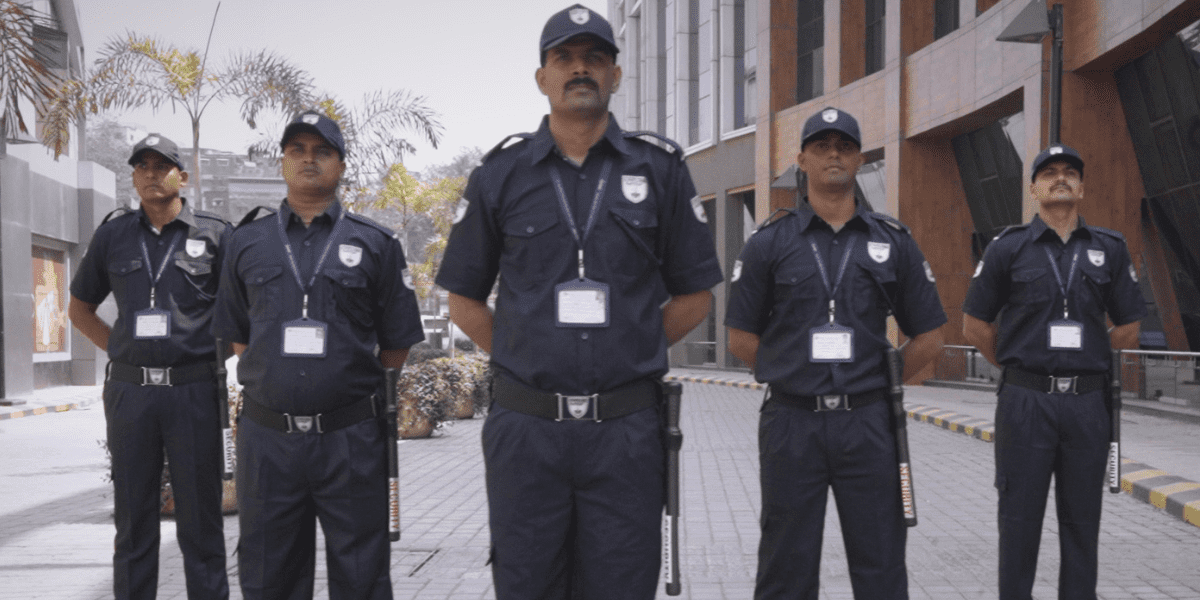
Guards at the entrance of a corporate office or IT park are often the first point of contact for clients and visitors. How they look, how they communicate, and how they handle access requests shape the impression people form of the facility and the organisation behind it.
Top-rated physical security services in India train personnel for this. Uniformed, professional, and capable of handling visitors’ interactions without being either dismissive or overbearing. That standard requires deliberate training investment, not just a uniform.
Long-Term Operational Stability
High attrition in security deployments creates its own risks. Guards who are constantly rotating don’t know the site well. They haven’t built the familiarity with regular staff and contractors that makes them effective. They’re slower to notice when something is off.
Agencies that pay fairly and offer clear career progression have meaningfully lower attrition. That stability translates into better-performing deployments over time. It’s one of the less obvious things to ask about when evaluating a provider, but it matters.
To Conclude
The case for outsourcing to top-rated physical security services in India is less about any single benefit and more about the cumulative effect of getting all of these things right simultaneously.
Proper compliance, trained personnel, functional technology, and consistent coverage: building that internally is harder and more expensive than it appears. Partnering with a credible provider is a practical decision for most organisations.
Start with a site assessment. That’s where you’ll learn whether a provider actually understands your environment or is just offering a standard deployment.
FAQs
Q. How do private security services India tailor their approach for different industries?
Modern Veer Rays Security Force conducts a site-specific risk assessment before deployment. After all, a corporate IT park and an industrial warehouse have different access patterns, different asset profiles, and different risk exposures.
A credible provider like MSF designs the deployment around those specifics: visitor management and front-desk protocols for the IT park, perimeter control and cargo checks for the warehouse. The assessment is where that differentiation happens. Without it, you’re getting a generic package applied to a specific problem.
Q. Is outsourcing to the best physical security company in India actually more cost-effective than building in-house?
Usually, yes, once you account for the full cost of an in-house operation. Recruiting, training to PSARA standards, technology procurement, shift management, and reserve staffing for absenteeism all add up.
Most organisations that have tried both will tell you the in-house model costs more than expected and creates more administrative overhead than anticipated. Outsourcing gives you a predictable structure and moves the operational burden to a provider that’s equipped to handle it.
Q. What technology do top-rated physical security services in India typically include?
Data-driven surveillance for real-time anomaly detection. ANPR cameras at vehicle entry points, digital access control systems, and centralised monitoring through a 24/7 Security Operation Centre are standard at the professional end of the market.
The notable question is how these tools connect to the on-ground deployment, whether alerts are actively monitored, and whether there’s a clear response protocol when something triggers. Technology that isn’t connected to a response structure is just recording equipment.